
Uncategorized
Custom Metal LED Lights: The Complete Guide for Buyers
Sep
A single illuminated metal sign can make a plain wall the first place people look. Custom Metal LED Lights: The Complete Guide helps you compare materials, lighting styles, finishes, costs, durability, and installation needs before you place an order. Still, the right choice depends on where the piece will be installed and how people will view it. A bit of planning up front can save money, prevent installation headaches, and give you a cleaner final result.
1. Custom Metal LED Lights: The Complete Guide to What They Are
Custom metal LED lights are personalized signs, letters, logos, wall art, or decor pieces made from metal and lit with LEDs. They bring fabrication, finishing, and lighting together in one finished display. Many buyers choose them because they feel more permanent than acrylic or printed signs. They also look sharp in both commercial and residential spaces.
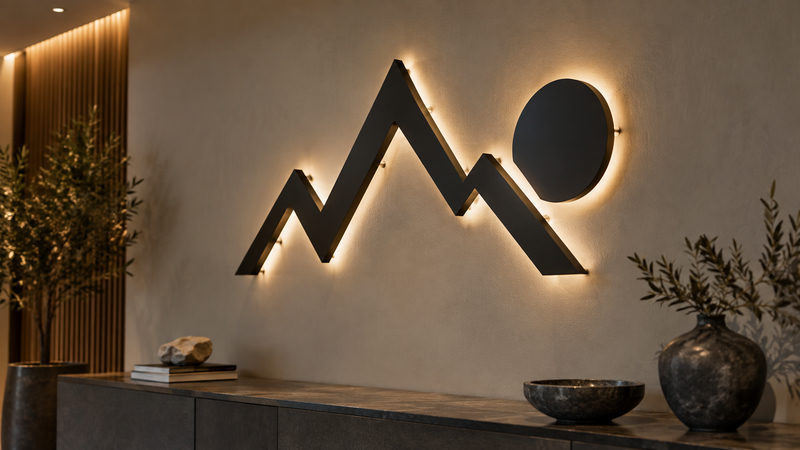
A coffee shop, for example, might use a brushed stainless steel logo behind the counter. A homeowner might add warm halo-lit initials above a bar area. An event planner may order a lightweight aluminum LED backdrop for weddings or product launches. Each situation calls for its own balance of weight, brightness, finish, and mounting style.
These lights work because the metal gives the piece structure, shape, and durability. The LED system adds visibility, mood, and contrast. LEDs also use less power than many older lighting methods. According to the U.S. Department of Energy, LED lighting is highly energy efficient and long lasting.
Where Buyers Use Them
Custom metal LED lights show up in storefronts, restaurants, offices, hotels, salons, studios, trade shows, and homes. They are especially useful when a space needs a premium focal point. A blank reception wall, for instance, can become a branded photo area. The sign does more than identify a business.
These pieces can match exact brand colors, fonts, and shapes. You might request a small script word for a bedroom or large channel letters for a storefront. Larger signs, however, need stronger mounting and a better wiring plan. Design and installation should be considered together from the start.
2. Materials, Finishes, and LED Lighting Options
The metal you choose affects appearance, weight, strength, corrosion resistance, and cost. Stainless steel gives a clean, modern finish and strong durability. It also handles moisture better than plain iron when properly finished. That makes stainless steel LED signs a smart choice for premium indoor areas and many outdoor projects.
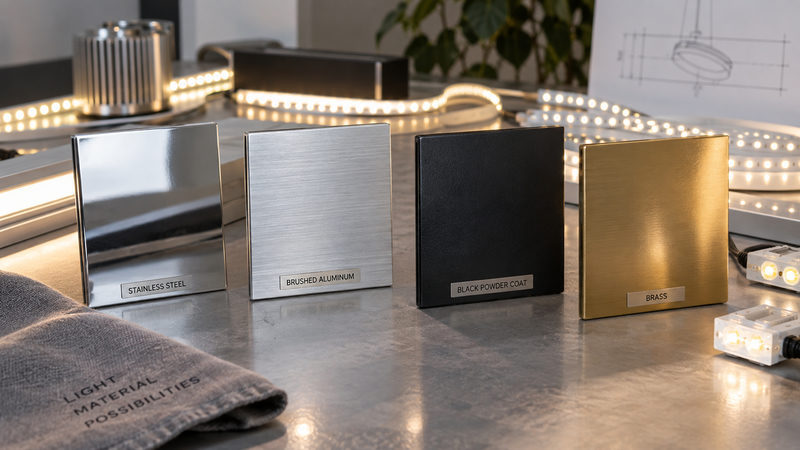
Aluminum is lighter than stainless steel, so it is easier to handle during installation. Aluminum LED light signs work well for large wall displays, events, and hanging signs. The material also resists corrosion naturally, which helps in covered outdoor spaces. It can dent more easily than thicker steel, though.
Iron often costs less and has a solid, traditional feel. It suits rustic cafes, industrial interiors, and vintage-style wall art. But iron needs protective coating because it can rust. Buyers should ask about primer, powder coating, and outdoor suitability before approving production.
Finish Choices That Change the Look
Powder-coated metal LED signs give you strong color control and solid surface protection. The coating creates a smooth, even finish in black, white, bronze, red, green, or custom tones. It also helps protect the metal from scratches and weather exposure. For storefronts and branded interiors, it is a practical option.
Brass and brass-style finishes create a warmer, more decorative look. They often suit boutique hotels, restaurants, jewelry stores, and home bars. Solid brass can cost more than coated alternatives. Because of that, many buyers choose brass-style coatings when they want the look without the full material cost.
LED options shape the final result, too. You can choose warm white, cool white, neutral white, RGB color, or single brand colors. Some signs also include dimmers or remote controls. A restaurant, for instance, may use warm light at night and brighter light during daytime service.
- Choose stainless steel for a sleek, durable, premium look.
- Choose aluminum when weight and easy mounting matter.
- Choose powder coating for color, protection, and outdoor performance.
- Choose brass-style finishes for warmth, luxury, and decorative impact.
3. Backlit, Front-Lit, Halo-Lit, and Custom Design Options
Lighting style changes how the sign feels in the room. Backlit metal signs glow from behind the metal shape. This creates a soft outline on the wall, often called a halo effect. Backlit signs are a good fit for logos, elegant lettering, and interiors where mood matters.
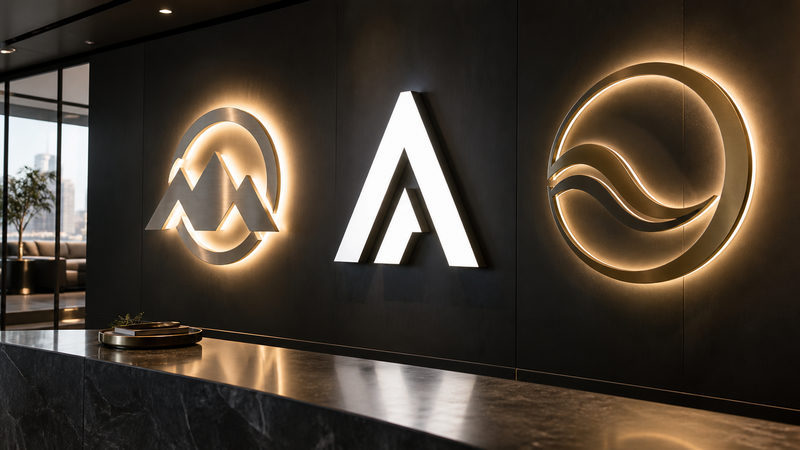
Front-lit LED signs illuminate the face of the letters or design. They look brighter and more direct than backlit signs. This helps when people need to read the sign from farther away. That makes front lighting useful for storefronts, counters, trade booths, and directional displays.
Halo-lit signs sit somewhere between subtle decor and bold branding. The light reflects onto the wall instead of shining straight at the viewer. This style looks refined in offices, salons, lounges, and reception areas. It does need enough wall space behind the sign for the glow to show clearly.
Design Choices Buyers Can Customize
Custom design options usually include size, shape, font, logo, color, finish, mounting style, and lighting effect. You can create block letters, cursive words, geometric wall art, cut-out logos, or layered metal displays. Some makers also combine metal with acrylic diffusers for smoother light. This can reduce visible LED dots on front-lit signs.
Size needs careful attention. A 24-inch logo may look perfect above a desk but too small on a large storefront wall. A 72-inch sign can overwhelm a small room. Measure the wall and review a scaled digital proof before production begins.
Font choice matters more than people expect. Thin script fonts can look beautiful, but they may create fragile metal sections. Very small letter gaps can also complicate cutting and LED placement. A good supplier will adjust spacing without changing the brand feel, so the final sign looks clean and holds up better.
- Backlit: soft glow behind the sign.
- Front-lit: bright illumination across the sign face.
- Halo-lit: reflected light around letters or shapes.
- RGB lighting: color-changing effects for flexible displays.
4. Indoor vs Outdoor Metal LED Signs: Durability and Safety
Custom metal LED lights can work outdoors when they are built with the right components. Outdoor signs need weatherproof materials, sealed LEDs, and outdoor-rated power supplies. Installers also have to protect wiring from rain, dust, heat, and accidental damage. Miss those details, and a beautiful sign can fail early.
Indoor signs face fewer weather issues, but they still need safe wiring and proper mounting. A heavy steel sign above a reception desk, for example, needs anchors that match the wall type. Drywall, brick, concrete, and wood all require different hardware. Mounting hardware should never be chosen by appearance alone.
Outdoor signs take more planning. Rain can enter gaps, sunlight can heat dark metal, and wind can stress mounting points. Coastal locations add salt exposure, which speeds corrosion. Near water, stainless steel, aluminum, sealed LEDs, and powder coating become much more important.
Electrical Safety and Weather Protection
Electrical safety starts with the power supply. Outdoor-rated power supplies should match the sign voltage and the expected weather exposure. Wiring should use protected routes, sealed connections, and correct strain relief. For hardwired commercial signs, a licensed electrician may be required.
Waterproofing depends on more than one label. Buyers should ask how the LEDs, seams, cable exits, and power connections are sealed. Outdoor signs often need gaskets, silicone sealing, drainage planning, or enclosed backs. These details help keep moisture from collecting inside the sign.
Heat management matters as well. LEDs run cooler than older lamps, but they still produce heat. Metal can help spread that heat, which improves performance. Enclosed signs still need enough space and ventilation to avoid shortening LED life.
Compliance requirements vary by city, landlord, building type, and business use. Commercial buyers should check local sign rules before ordering. Some properties limit brightness, size, color, or mounting location. Confirm those rules before approving a custom piece that cannot be returned.
5. How Custom Metal LED Lights Are Made and Installed
The process usually starts with a logo, sketch, phrase, or reference image. The supplier turns that idea into a digital proof with size, color, material, and lighting details. This proof helps both sides catch spacing, shape, and mounting issues early. Review it carefully before giving approval.
After approval, the maker cuts the metal using CNC cutting, laser cutting, waterjet cutting, or similar equipment. The method depends on material thickness, detail level, and production setup. Then the piece moves through bending, welding, grinding, sanding, or edge finishing. Raw metal becomes a clean sign body.
Finishing comes next. The sign may be brushed, polished, painted, powder coated, plated, or protected with a clear coating. The LED modules, strips, wiring, and power components are then fitted into the sign. A careful shop tests brightness, color consistency, wiring, and power performance before packing.
Common Installation Methods
Wall mounting is the most common installation method. Screws, anchors, brackets, or hidden mounts hold the sign against the wall. Standoff mounting creates a small gap behind the metal, which works well for halo lighting. Backlit signs often need standoffs so the light can spread evenly.
Hanging signs use chains, cables, rods, or ceiling mounts. They work well for events, windows, and overhead displays. They also need balanced weight and secure ceiling support. A lightweight aluminum build can make this method easier.
Hardwiring creates a cleaner look because wires run through the wall or ceiling. This is best for permanent business signs and polished interiors. Plug-in setup is simpler and easier to move. It can suit home decor, temporary displays, and rental spaces.
- Confirm the final sign size before production begins.
- Ask for mounting hole locations or a paper template.
- Check whether the power supply is indoor or outdoor rated.
- Plan wire exits before the wall is drilled.
- Test the sign before final mounting, especially after shipping.
6. Cost, Maintenance, Energy Efficiency, and Buying Checklist
Custom metal LED light costs vary because every project combines different materials, sizes, finishes, and lighting systems. A small indoor word sign may cost far less than a large outdoor logo. Complex shapes also require more cutting time and assembly work. Compare quotes by specification, not by price alone.
Size is one of the biggest cost factors. Larger signs need more metal, more LEDs, stronger packaging, and sometimes freight shipping. Material matters too. Stainless steel and brass-style finishes often cost more than basic painted iron or thin aluminum.
Lighting choices affect cost as well. RGB LEDs, dimmers, controllers, waterproof modules, and high-output lighting add expense. Front-lit signs may need diffusers or deeper letter construction. Backlit signs may need spacing hardware and careful wall planning. Two signs with the same size can end up with very different prices.
Maintenance and Lifespan
LEDs can last for many years when paired with quality power supplies and proper heat management. Lifespan still depends on usage hours, environment, component quality, and installation. A sign running 12 hours daily faces more wear than one used only on weekends. Commercial buyers should ask about replaceable parts and warranty terms.
Cleaning is usually simple. Use a soft microfiber cloth and a mild cleaner suitable for the finish. Avoid abrasive pads, harsh chemicals, and pressure washing near electrical parts. Outdoor signs should also be checked for loose mounts, damaged seals, and cable wear.
Energy efficient LED signage can help reduce operating costs over time. A reception sign using low-watt LEDs, for instance, may cost only a small amount each month to run. Cooler operation can also reduce stress on nearby surfaces and components. That makes LEDs practical for long daily display hours.
Supplier Selection Checklist
A strong supplier should understand design, fabrication, electrical safety, packing, and installation support. They should provide clear proofs, material details, lighting specifications, and realistic production timelines. If the sign will face weather, they should explain outdoor ratings clearly. Vague answers often lead to problems later.
- Ask what metal thickness and material grade they recommend.
- Request photos of similar completed projects.
- Confirm LED color, brightness, voltage, and power supply type.
- Check whether the sign suits indoor or outdoor use.
- Review mounting hardware, templates, and installation instructions.
- Ask about warranty coverage for LEDs and power supplies.
- Confirm packing method, shipping cost, and damage procedures.
- Discuss rush production fees before placing the order.
Prepare your information before requesting quotes. Send your logo file, desired dimensions, finish preference, lighting color, and installation location. Include wall photos and notes about power access as well. This helps suppliers price the project accurately and suggest practical improvements.
Conclusion
Custom metal LED lights offer a durable, premium, and energy efficient way to personalize interiors. They also strengthen business branding and create memorable event or retail displays. The right choice depends on material, lighting style, finish, location, installation method, and supplier quality. Treat the sign as both a design feature and a technical product.
Prepare your logo, desired dimensions, preferred finish, lighting color, and installation location before requesting quotes. Measure the wall and decide whether you prefer plug-in power or hardwiring. Most importantly, choose qualified custom LED sign manufacturers who explain materials, safety, weather protection, and mounting clearly. A better brief usually leads to a better sign.
